
Ekso vs. Countersoft Gemini
From the team that built Gemini. The next generation.
Same DNA. Modern stack. Welcome home.
We built Gemini in 2007. It still works. But the world moved — cost-aware delivery, AI-native workflows, modern deployment options. Ekso is what we’d build today, and your Gemini install upgrades cleanly with one CLI command.
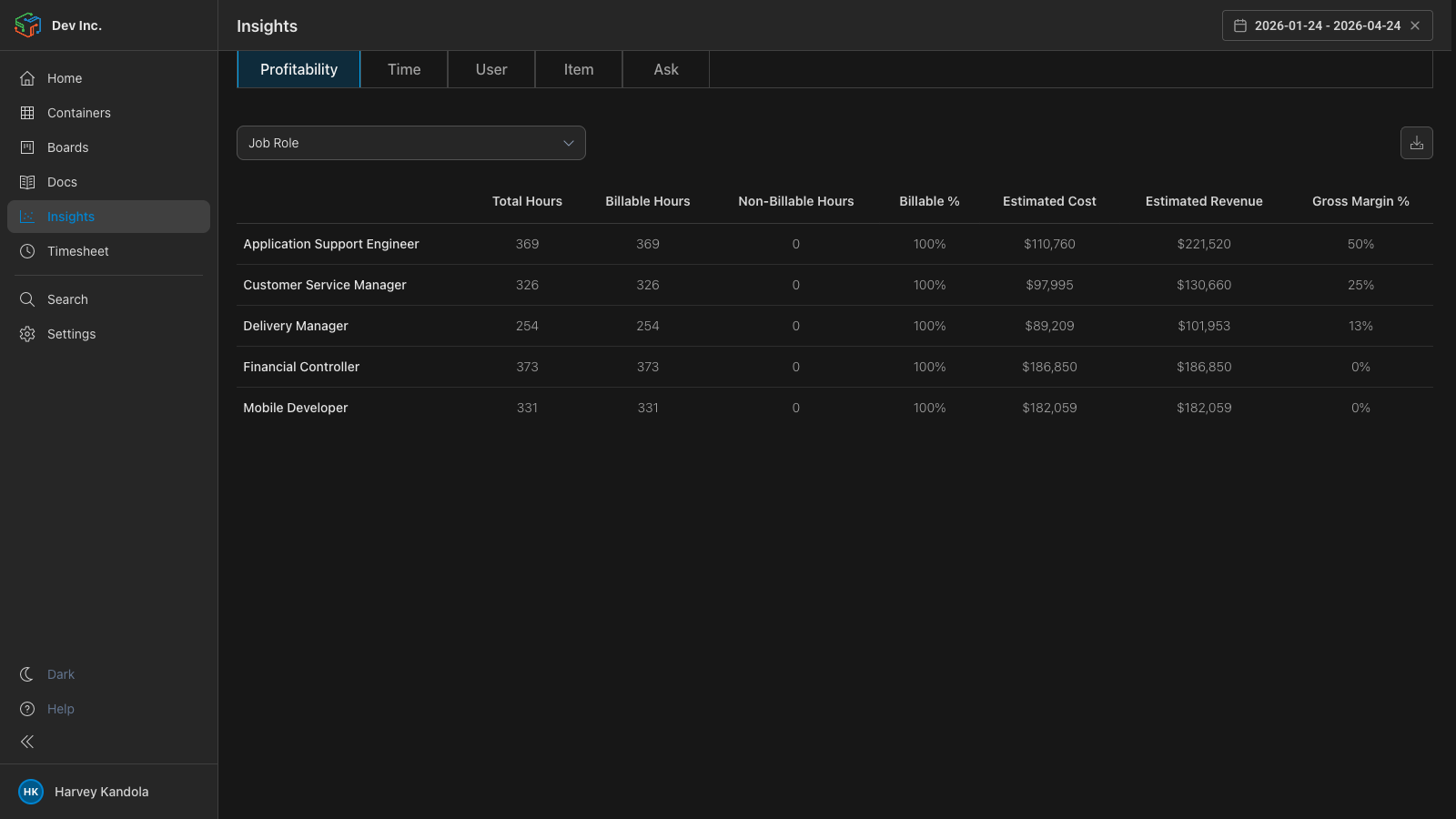
Financial intelligence, built in
Gemini tracks issues, time, and components. Ekso adds the cost dimension — job roles, rate cards, cost centers, profitability by project, team, or client. The same time entries you already log become the input to a real financial picture.
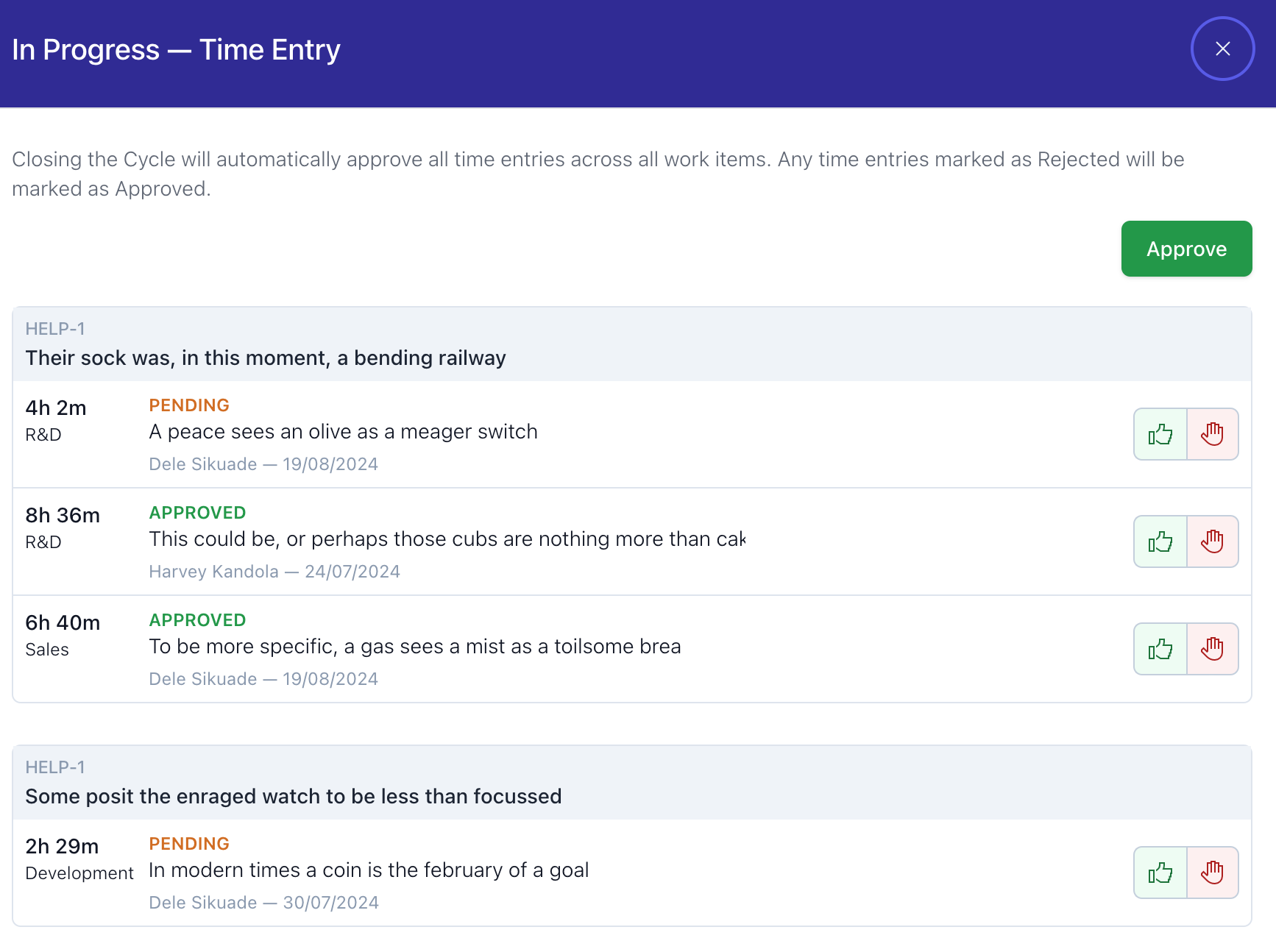
Time tracking, billable flags intact
Gemini’s strongest feature comes across cleanly. Every time entry, every billable flag, every comment migrates one-to-one. Ekso’s reporting picks up where Gemini’s left off — with profitability and cost-center analysis on top.
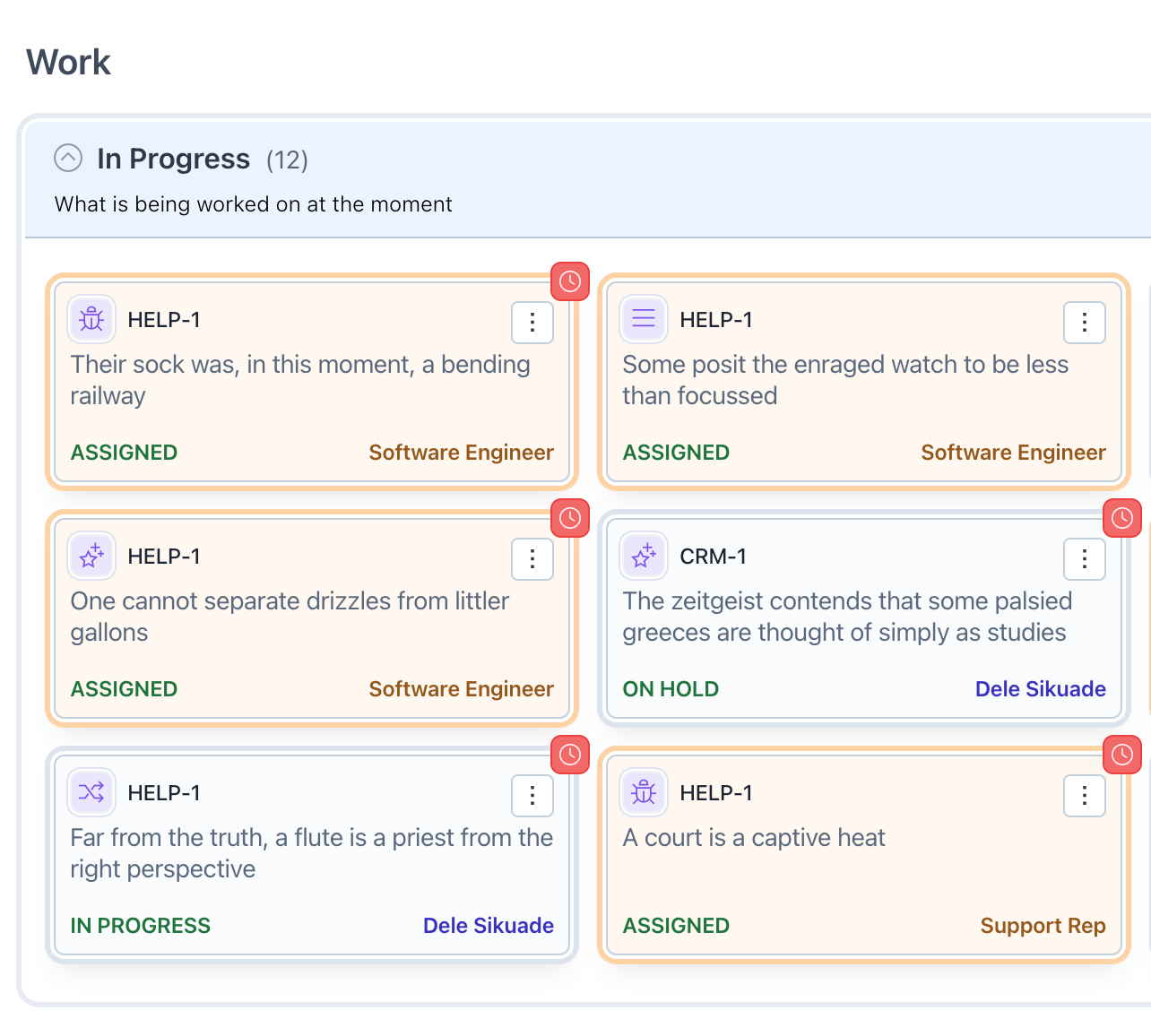
AI native, MCP ready
Every item, comment, doc, and time entry in Ekso is indexed and searchable by meaning. Bring your own models from Anthropic, OpenAI, or Azure Foundry. Connect via MCP from Claude, ChatGPT, or Copilot. AI was a decade away when Gemini shipped — now it’s table stakes.

Self-host or SaaS — your call
Gemini was on-prem first; many of you still run it on your own SQL Server. Ekso runs the same way — public cloud, private cloud, or fully on-premise. The migrator works locally too: no source data ever has to leave your network.
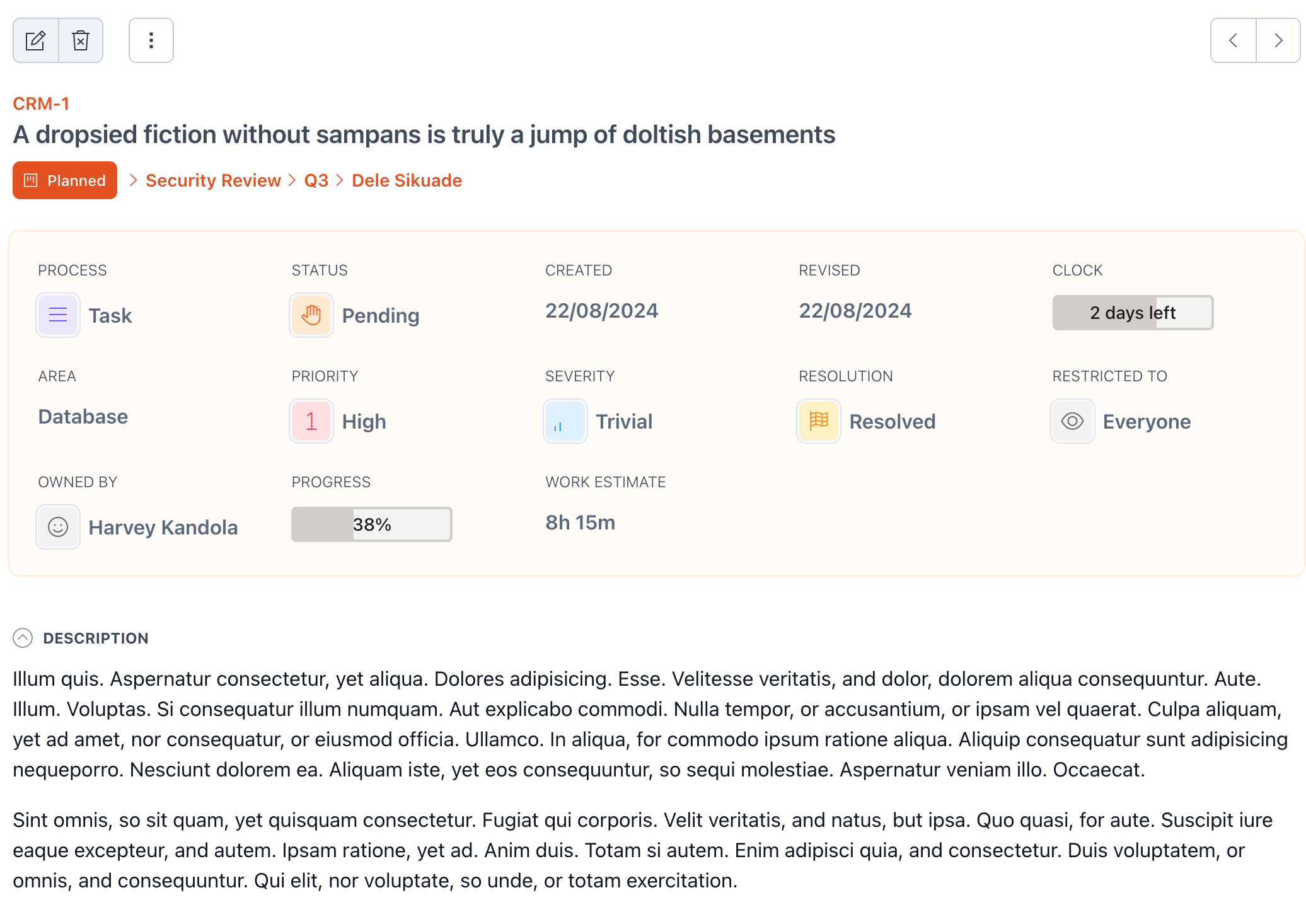
Modern UI for the next decade
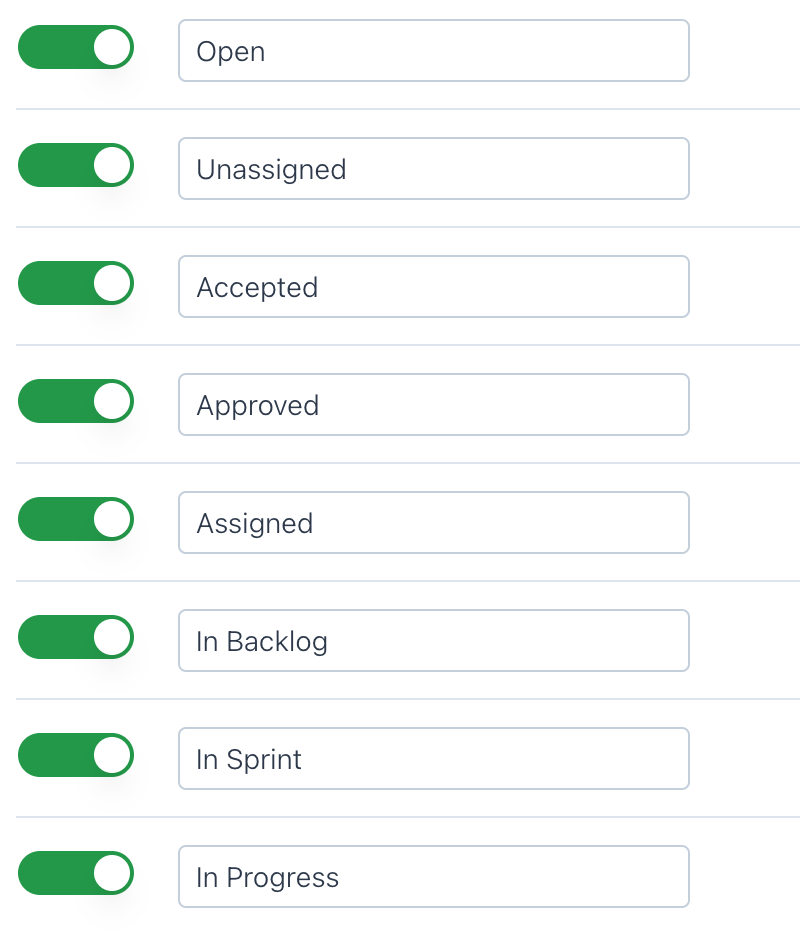
The web changed since 2007. Ekso ships a clean, fast interface designed for keyboard-first power users and casual stakeholders alike. Every admin page is a dropdown, toggle, or text field — no hidden config screens, no SQL editing, no IIS app pools.
Migrate in one command
Two commands —
ekso migrate gemini collect then apply. SQL mode reads straight from your Gemini DB. Projects, issues, comments, attachments, time entries, sprints, and versions all preserved. Read the migration guide.
Switch from Gemini in one command
Because the Gemini schema and Ekso’s migration cache schema were designed by the same team, the mapping is the cleanest of any source — most fields transfer one-to-one. SQL mode reads attachment bytes directly from your Gemini DB. API mode works through the firewall when SQL isn’t reachable.
ekso migrate gemini collect --config migration.config.json --connection-mode sql --project PLAT
ekso migrate gemini apply   --config migration.config.json --process <process-id>
- Time tracking preserved
Every time entry lands in
DataItem.Time[]with the billable flag intact. Ekso reporting picks up day one. - Custom fields, attachments, sprints
Custom fields map via
--field-map. Attachments stream fromvarbinarydirect. Sprints and versions become Ekso cycles. - No SaaS lock-in Run the migration on your network, against a self-hosted Ekso. Source data never leaves your infrastructure if you don’t want it to.
We built Gemini in 2007. Ekso is what we’d build now.
The principles that made Gemini stick — one platform, customer-trust deployment options, sane process modelling, time tracking that delivery teams actually use — are still the bones of Ekso. The stack underneath is new, the AI surface is new, the financial layer is new. Your install upgrades cleanly. Your team picks up where they left off.
Get started
Free for 3 users, no credit card